 Comparison
Is Professional Office Deep Cleaning Worth It?
Last Updated: November 5, 2026
Quick Summary
Professional office deep cleaning is usually worth it when it is scheduled on purpose, scoped to the space, and paired with routine upkeep. Its value shows up in cleaner floors, less dust and buildup, and a healthier workplace. Scope and square footage drive the cost, so get a written quote based on your building.
- Deep cleaning targets buildup that routine cleaning rarely reaches, like carpet soil, vents, and grout.
- Scope is the main price driver, so request a written checklist naming each area and task.
- Compare the quote against staff hours, equipment, and liability for in-house cleaning.
- Floor care can extend carpet and hard-floor life and defer costly replacement.
- Track complaints, absenteeism, and inspection scores before and after to measure results.
Table of Contents
- What Professional Office Deep Cleaning Actually Covers
- What Is Included in Office Deep Cleaning
- Office Deep Cleaning vs Regular Cleaning
- What Professional Office Deep Cleaning Costs and What Drives the Price
- Weighing the Benefits: Health, Air Quality, Morale and Floors
- DIY Cleaning vs Hiring Professionals: Pros and Cons
- How Often Should an Office Be Deep Cleaned
- Booking Your First Deep Clean: Get a Free Quote
- Frequently Asked Questions
Professional office deep cleaning costs real money, so the question is fair: is it worth it? For most U.S. businesses, the answer depends on how the space is used, how many people share it, and what a dirty or worn-down office is costing in sick days, complaints, and floor damage. CBS Facility Maintenance has over 20 years of industry experience in janitorial and commercial cleaning across the Southwest. Below, we break down what a deep clean actually covers, what it costs and why prices vary, and where the benefits show up. The short version: a deep clean is usually worth it when it's scheduled on purpose, scoped to the space, and paired with routine upkeep.
What Professional Office Deep Cleaning Actually Covers
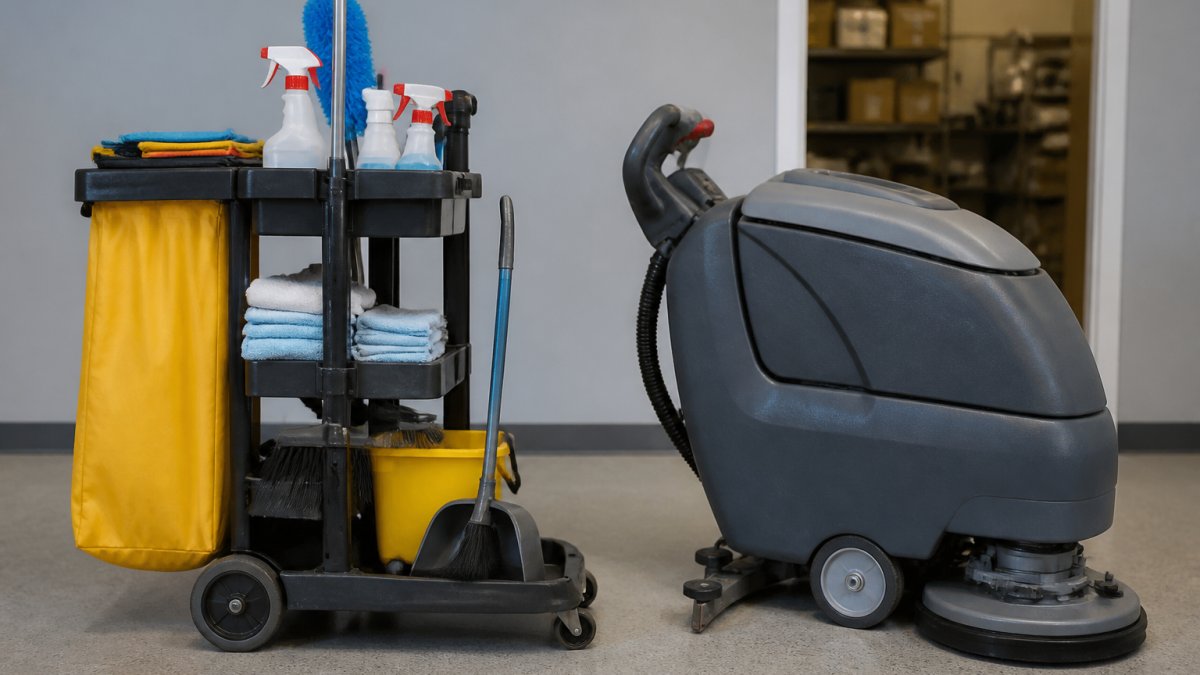
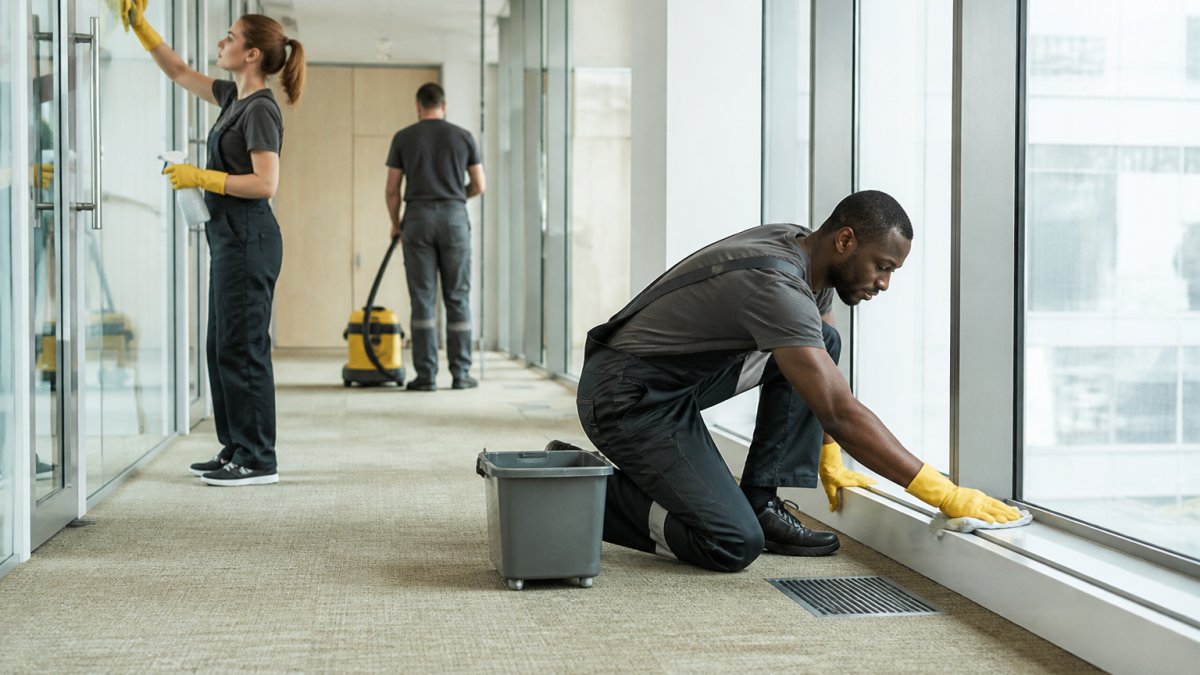
Office deep cleaning is a periodic, top-to-bottom cleaning that goes well beyond the daily tasks of emptying trash and wiping desks. It targets buildup in areas that routine cleaning rarely reaches, including floors, upholstery, vents, and high-touch surfaces. Professional crews bring commercial equipment, approved chemicals, and a checklist, so the job is consistent from one visit to the next.
Routine cleaning keeps a space presentable. A deep clean resets it. Regular cleaning prevents everyday mess from accumulating, while deep cleaning removes buildup that can affect health and productivity. That framing is useful when deciding whether you need one, the other, or both.
What Is Included in Office Deep Cleaning
A typical scope covers the following:
- Floors: Carpet extraction, hard-floor scrubbing and buffing, and stripping and resealing when needed
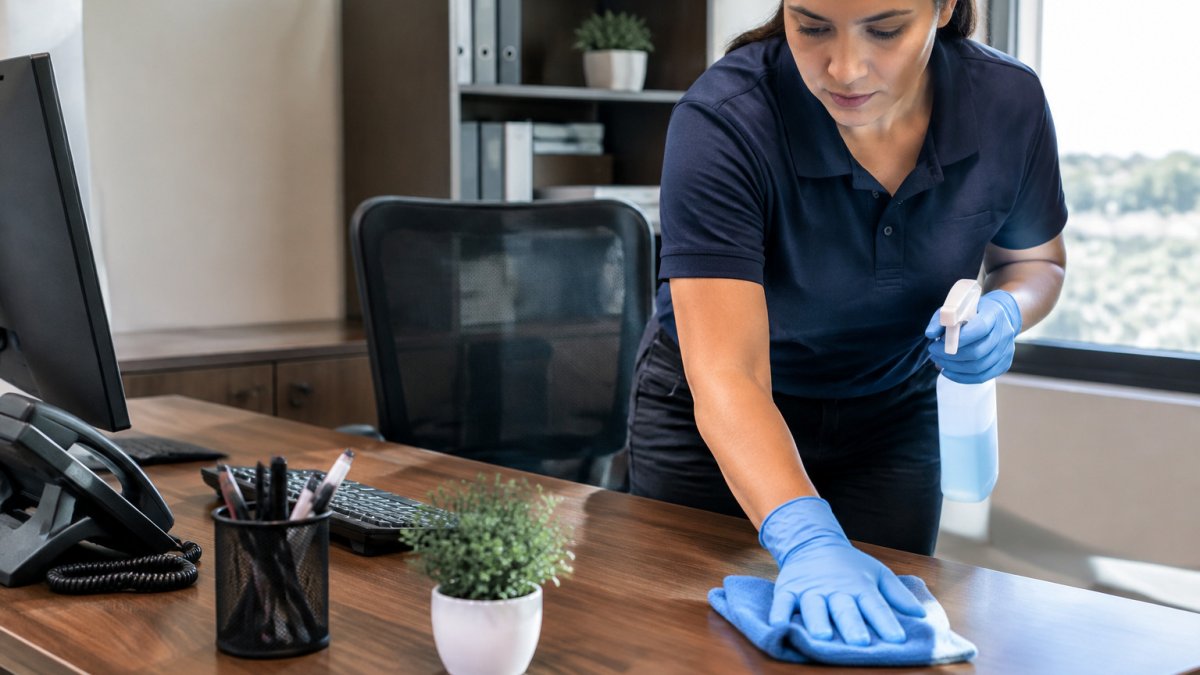
- Surfaces: Desks, conference tables, cabinets, doors, and light switches, cleaned top to bottom
- Restrooms and kitchens: Descaling, grout cleaning, and sanitizing of fixtures and appliance interiors
- Upholstery and soft surfaces: Chair fabric, sofas, and drapes
- Air and vents: Dusting vents and returns, and wiping ceiling fans and light fixtures
- Windows and glass: Interior glass, partitions, and entry doors
If your building also has exterior glass, you can add window cleaning from the same provider. CBS Facility Maintenance offers commercial window cleaning for interior and exterior glass, which keeps scheduling and billing simple. For floors, our commercial carpet and floor cleaning services cover extraction, buffing, and sealing.
Scope is the main driver of price, so put it in writing. Ask any provider for a checklist that names each area and task. A vague "deep clean" quote is hard to compare against another.
Office Deep Cleaning vs Regular Cleaning
Regular cleaning is recurring and light. It handles trash, restrooms, surfaces, and floors on a daily or weekly basis. Deep cleaning is scheduled less often and goes into the places regular crews skip, such as baseboards, behind equipment, carpet fibers, and vent covers.
The two work together. Regular cleaning reduces how fast dirt builds up, which stretches the time between deep cleans. Without regular cleaning, a deep clean every few months may not keep up. Without deep cleaning, even good regular service slowly loses ground on carpet soil, grime in grout, and dust in air systems.
What Professional Office Deep Cleaning Costs and What Drives the Price
Most offices want a number before they decide. The honest answer is that a deep clean is priced per building, but you can still frame the decision with real ranges and a break-even calculation. Below is how the cost typically breaks down and how to compare it against doing the work in-house.
Commercial deep cleaning is usually quoted by square footage or by the hour, and the two methods can produce different totals. Pricing depends on square footage, scope, and schedule, so the only reliable number is a written proposal based on a walkthrough of your space.
What moves the price most.
- Square footage and layout: Open floor plans with large carpeted areas are usually priced differently than many small enclosed offices, because equipment access and time per square foot change.
- Floor types: Carpet extraction, hard-floor buffing, and strip-and-wax each require different equipment and labor time. A building with a mix of all three costs more than one with a single floor type.
- Condition of the space: Post-construction debris, heavy grease in a break room, or years of built-up carpet soil can double the labor versus routine grime.
- Timing: After-hours or weekend work may carry a scheduling premium, though it avoids disrupting business hours.
- Frequency: Recurring deep cleans usually cost less per visit than a one-time job because the crew knows the space and buildup stays manageable.
The break-even calculation. The real question is not the invoice alone but the invoice versus the alternatives. Add up what DIY actually costs: staff hours at their loaded wage rate, supplies, equipment rental or purchase, and the value of the work not done while staff clean. Add up the staff hours, equipment, and supplies that an in-house clean would require, and compare that total against the professional quote, along with any scheduling friction on the professional side.
Where the return shows up. Periodic floor care can help extend carpet and hard-floor life and defer replacement, which is a capital cost far larger than cleaning.
For an accurate number, request a free quote from CBS Facility Maintenance. We will walk the space, confirm the scope, and give you a price you can compare against the DIY calculation above.
Weighing the Benefits: Health, Air Quality, Morale and Floors
The benefits are real, but broad claims are hard to act on. The useful approach is to connect each benefit to something you can observe or measure before and after a deep clean. Below are the four areas most offices weigh, with the mechanism and the practical measure for each.
Health and illness. Shared high-touch surfaces, restrooms, and break rooms are where cross-contamination can concentrate. A deep clean that addresses high-touch points and cleans vents can reduce that buildup. It will not eliminate illness, and no cleaning service can promise that.
Indoor air quality and dust. Dust, allergens, and debris collect in carpet fibers, upholstery, and HVAC vents and returns. When those are cleaned, less material is available to become airborne and settle back onto desks and equipment.
Employee morale and attendance. A clean, well-kept office signals that management pays attention to the people in it. Staff complaints about restrooms, kitchens, or stained carpet are common and tend to fade once conditions improve.
Floors and surface protection. Carpet and hard floors wear faster when dirt grinds into fibers or grout. Periodic extraction, buffing, and resealing remove abrasive soil and restore the protective layer, which extends floor life and defers replacement.
Inspection scores and complaint rates. If your building is subject to landlord inspections, health-department checks for food areas, or internal facility audits, those scores are a ready-made before-and-after measure.
Be honest about the limits. A deep clean does not replace repairs, and it will not fix a building with a moisture or ventilation problem. If you have a recurring issue, it should be diagnosed as well as cleaned.
DIY Cleaning vs Hiring Professionals: Pros and Cons
Some offices try to handle deep cleaning in-house. That can work for very small spaces, but it has tradeoffs.
DIY pros:
- Lower out-of-pocket cost for small, simple spaces
- Full control over timing and who does the work
DIY cons:
- Staff time is taken away from core work, and the hours add up
- Consumer-grade equipment often can't extract carpet or buff hard floors properly
- Inconsistent results from one person or week to the next
- Liability if staff use chemicals or equipment incorrectly
- No insurance or guarantee on the work
Professional pros:
- Commercial equipment and approved chemicals
- A repeatable checklist and consistent results
- Crews are insured, and many providers are bonded
- Scheduling can happen after hours, which limits disruption
Professional cons:
- Higher upfront cost than doing it yourself
- You need to vet the provider and confirm its scope in writing
When you compare, count the staff hours, equipment purchases, and liability alongside the invoice. For most offices above a few thousand square feet, professional service ends up the better value.
The article weighs the trade-offs of handling deep cleaning in-house against hiring a professional crew.
| Option | Main advantage | Main drawback |
|---|---|---|
| DIY (in-house) | Lower out-of-pocket cost for small, simple spaces | Staff hours taken from core work |
| DIY (in-house) | Full control over timing and who does the work | Inconsistent results week to week |
| DIY (in-house) | No outside vendor to manage | No insurance or guarantee on the work |
| Professional service | Commercial equipment and approved chemicals | Higher upfront cost than DIY |
| Professional service | Crews are insured, often bonded | Provider must be vetted and scope confirmed |
| Professional service | Can be scheduled after hours | Scheduling premium may apply |
How Often Should an Office Be Deep Cleaned
There's no single answer, but workplace conditions set the schedule. A high-traffic office with food service, customers, or shared equipment generally needs deep cleaning more often than a quiet office with a few staff members. Adjust based on what you see. Heavy carpet soiling, recurring dust complaints, or a visible drop in appearance are signs to move up the schedule. If you've had an illness outbreak or construction nearby, consider a deep clean sooner.
Booking Your First Deep Clean: Get a Free Quote
Your first deep clean is the easiest way to judge whether the service is worth it for your office. Start with a walkthrough so the scope matches your space, then compare the written quote against the list of covered tasks above.
CBS Facility Maintenance is family-owned and operated, with a single point of contact for cleaning, repairs, and facility projects. We work on a month-to-month basis, so you aren't locked into a long-term contract to try us. We're fully licensed, bonded, and insured, and new customers can get first service as soon as tomorrow. Contact us for a free quote and ask any question about scope, scheduling, or pricing before you commit.
Frequently Asked Questions
Is professional office deep cleaning worth the cost? For most offices, yes, especially when it protects flooring, reduces dust and buildup, and supports a healthier workplace. The value is clearest when the scope is written out and the service is scheduled as part of a regular plan.
How much does office deep cleaning cost? Cost depends on square footage, floor types, the condition of the space, and scheduling. Get a written quote based on your building rather than relying on a general estimate.
How is deep cleaning different from regular office cleaning? Regular cleaning handles daily and weekly upkeep. Deep cleaning is periodic and targets buildup in carpets, vents, upholstery, grout, and other areas routine cleaning misses.
Can we do deep cleaning ourselves? Small offices sometimes can, but staff time, equipment limits, and inconsistent results usually make professional service the better option for larger spaces.
How often should an office be deep cleaned? Many offices schedule a deep clean once or twice a year, with more frequent floor and restroom care. High-traffic spaces typically need it more often.
Frequently Asked Questions
Is deep cleaning really worth it for an office?
For most offices, yes, as long as the expected benefits are weighed against the cost. A deep clean reaches areas routine cleaning can miss, such as carpet fibers, upholstery, vents, and built-up grime. Compare the quoted price against the potential benefits to judge whether it fits your budget.
What's included in a professional office deep clean?
A professional office deep clean goes beyond routine cleaning with more detailed work on surfaces that need extra time. Ask any provider for a written scope so you can compare what is actually covered.
How often does an office need deep cleaning?
How often an office needs a deep clean depends on its traffic and conditions. Watch for signs such as visible carpet soiling, odors, dust on vents, or increased staff illness to decide when to schedule the next clean.
Can employees deep clean an office themselves?
Staff can handle light tidying, but a true deep clean usually requires commercial equipment and training to use it safely. Doing it in-house also pulls employees away from their core work.